
Why Tankless Water Heaters Sometimes Stop Producing Hot Water
If your tankless water heater stops producing hot water, local contractors can diagnose common issues like mineral buildup or faulty components to restore functionality.
Many property owners encounter situations where their tankless water heater unexpectedly stops producing hot water, leaving them without a reliable supply when they need it most. Understanding why tankless water heaters sometimes stop working can help homeowners and property managers identify potential issues early on and prevent inconvenience. Common practical reasons include mineral buildup, sediment accumulation, or fluctuations in water pressure-all of which can impact performance. Exploring these causes can also highlight the importance of professional repair services, as local contractors are equipped to diagnose and address these problems efficiently, restoring hot water flow and maintaining comfort.
For those experiencing inconsistent hot water or sudden outages, knowing the typical reasons behind these issues can make a significant difference. Local service providers offer expertise in troubleshooting and repairing tankless water heaters, helping property owners keep their systems running smoothly. Whether it’s a minor repair or a more involved fix, connecting with experienced contractors ensures that problems are resolved correctly and promptly. Keep reading to learn more about common causes and how local pros can assist in restoring reliable hot water to your property.
- Tankless Water Heater Repair - homeowners experiencing inconsistent hot water may need local contractors to diagnose and fix mineral buildup or sensor issues.
- Tankless Water Heater Repair - when a unit stops producing hot water unexpectedly, local pros can inspect heating elements and replace faulty components.
- Tankless Water Heater Repair - if fluctuations in water temperature occur, service providers can evaluate flow rate and pressure problems affecting performance.
- Tankless Water Heater Repair - in cases of strange noises or error codes, local technicians can identify and resolve electronic or control board malfunctions.
- Tankless Water Heater Repair - for units that suddenly stop producing hot water after a period of operation, local pros can perform comprehensive system assessments and repairs.
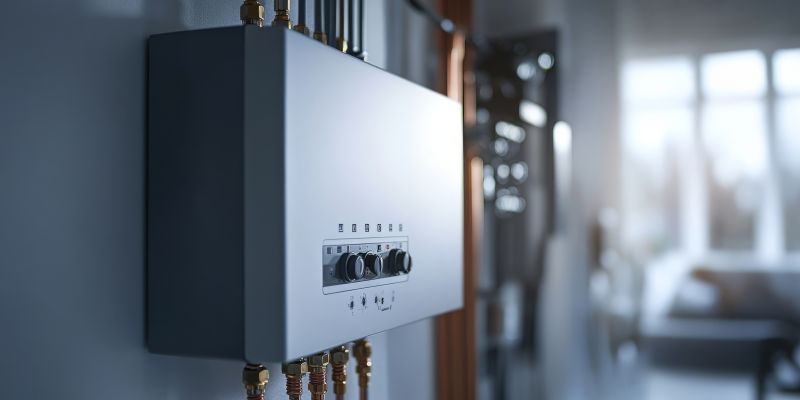
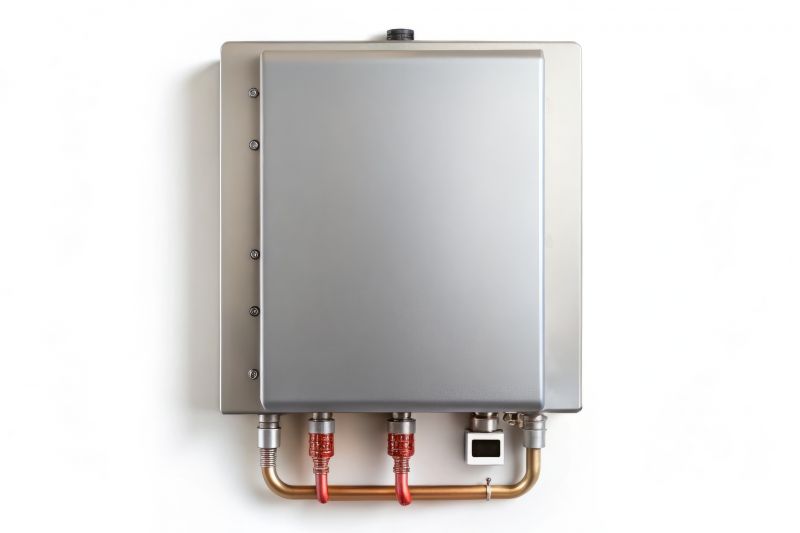
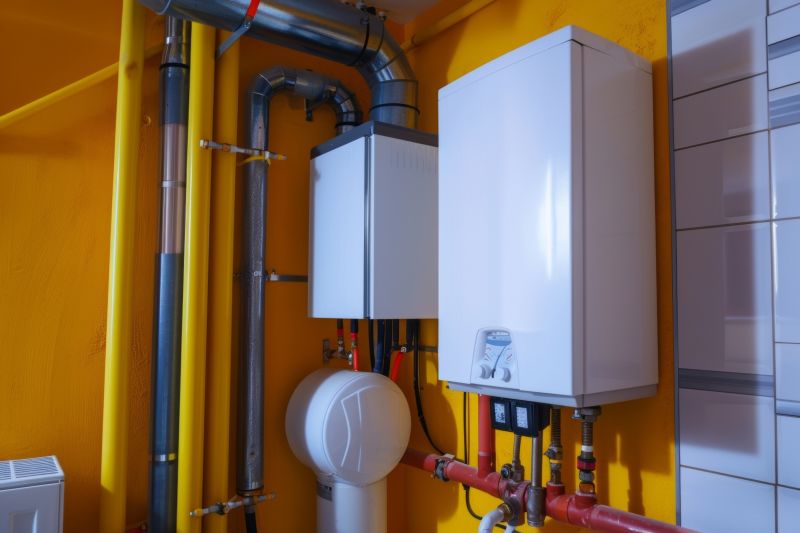
When homeowners search for why tankless water heaters sometimes stop producing hot water, they are usually trying to understand why their unit suddenly fails to deliver the consistent, on-demand hot water they expect. This issue often arises after the system has been installed or has been in use for some time, leading to questions about whether the heater is malfunctioning or if there’s a larger problem at play. Many are concerned about whether the unit can handle their household’s hot water needs, especially during peak usage times, or if a repair might be necessary to restore proper function. Understanding the common causes behind these interruptions can help homeowners better diagnose the problem and decide when to seek professional help.
The problems associated with a tankless water heater stopping hot water production are typically related to issues like mineral buildup, flow rate restrictions, or faulty components. Hard water, which contains high mineral content, can cause scale to accumulate inside the unit’s heat exchanger, reducing efficiency and eventually blocking hot water flow. Other times, the flow sensors or electronic controls may malfunction, preventing the heater from activating when hot water is needed. These issues are often linked to the specific plans for hot water use, such as large households or properties with multiple bathrooms, where demand fluctuates significantly. Local service providers who specialize in tankless water heater repairs are experienced in diagnosing these problems and restoring proper operation.
Properties that commonly encounter problems with their tankless water heaters include residential homes, multi-family dwellings, and commercial buildings. Homes with hard water are particularly susceptible to mineral buildup, which can impair the heater’s ability to produce hot water consistently. Larger households or properties with high hot water demand may experience issues if the unit isn’t properly sized or if flow rates are restricted by other plumbing fixtures. Additionally, older units or those that haven’t been maintained regularly are more prone to component failures that can cause hot water production to cease unexpectedly. Local contractors often work with these property types to assess the situation, perform necessary repairs, and recommend upgrades or maintenance to prevent future issues.
Understanding why tankless water heaters sometimes stop producing hot water helps homeowners recognize when a professional repair service might be needed. These issues are often manageable once the root cause is identified, whether it’s mineral buildup, flow restrictions, or faulty parts. Connecting with experienced local service providers ensures that the problem is diagnosed accurately and addressed efficiently, helping to restore reliable hot water supply. Whether it’s a quick repair or a more involved maintenance task, local contractors can provide the expertise needed to keep the system functioning properly. Recognizing the common causes of hot water interruptions can make it easier to decide when to seek professional help and ensure the home’s hot water needs are met reliably.
Plumbing diagnostics - diagnosing water flow issues in plumbing systems helps identify causes similar to tankless water heater malfunctions that stop producing hot water.
Water heater installation - installing traditional and tankless water heating systems requires planning and tools comparable to troubleshooting tankless heater problems.
Pipe repair and replacement - fixing or replacing damaged pipes addresses flow restrictions and sediment buildup that can cause tankless water heaters to stop producing hot water.
Water pressure solutions - adjusting water pressure or fixing pressure-related issues can resolve problems that lead to inconsistent hot water supply in tankless systems.
Sediment and mineral buildup removal - clearing mineral deposits from plumbing fixtures and water heaters parallels cleaning out sediment that impairs tankless water heater performance.
Electrical component servicing - repairing or replacing electrical parts in water heating systems involves skills applicable to diagnosing electrical causes of hot water production failures.
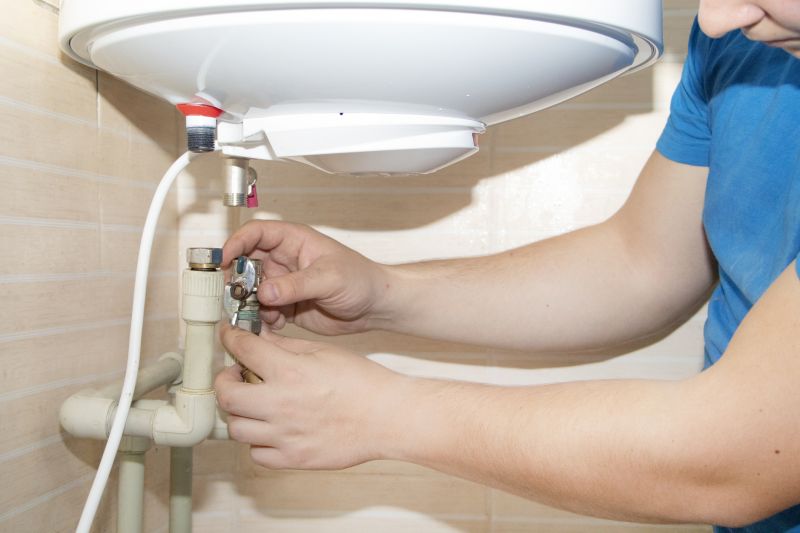
When comparing service providers for tankless water heater repair, it’s important to consider their experience with similar projects. Homeowners should seek out local contractors who have a proven track record of diagnosing and resolving issues related to why tankless water heaters sometimes stop producing hot water. An experienced professional will be familiar with common causes such as mineral buildup, thermostat problems, or flow sensor malfunctions, and can better assess the specific situation in your home. Checking references or reviews can provide insight into their familiarity with these types of repairs and their ability to handle the complexities involved in restoring hot water flow efficiently.
Clear communication about what the repair process entails is another key factor when selecting a service provider. Homeowners should look for local contractors who provide detailed explanations of what might be causing the problem and outline the steps needed to fix it. A reputable professional will ensure that expectations around the scope of work, potential issues, and the timeline are transparent upfront. This clarity helps avoid misunderstandings and ensures that homeowners are fully informed about what to expect during the repair process, especially when dealing with intermittent hot water supply issues.
Reputable references and a reputation for good communication are essential when choosing a local pro for tankless water heater repairs. Homeowners are encouraged to seek out service providers who can demonstrate a history of reliable service and positive feedback from previous customers. Good communication also involves responsiveness and the ability to answer questions clearly, which can be particularly valuable when troubleshooting why a tankless water heater stops producing hot water. By prioritizing these qualities, homeowners can find a professional who not only has the skill to perform effective repairs but also provides a straightforward and transparent experience throughout the process.
Property owners often search for why tankless water heaters sometimes stop producing hot water when they are planning practical projects around their homes and businesses. Local pros provide Tankless Water Heater Repair services for everyday jobs and straightforward project options.
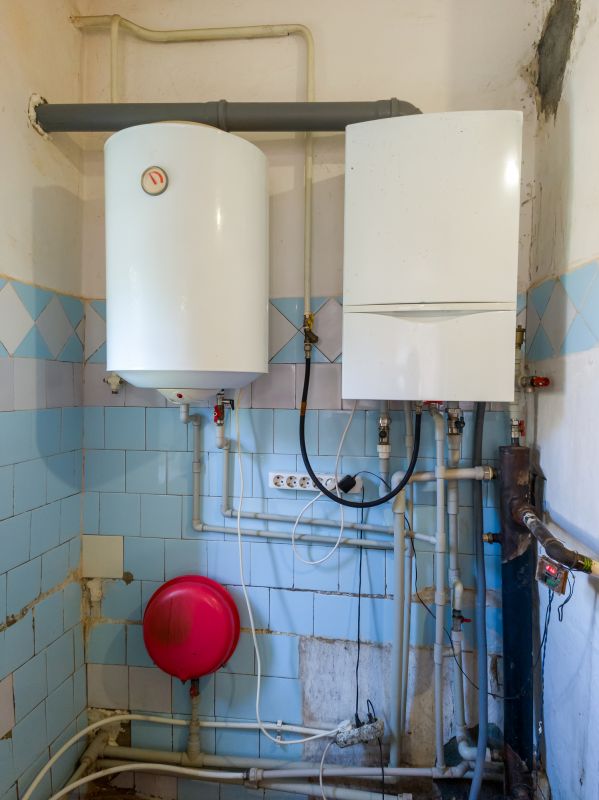
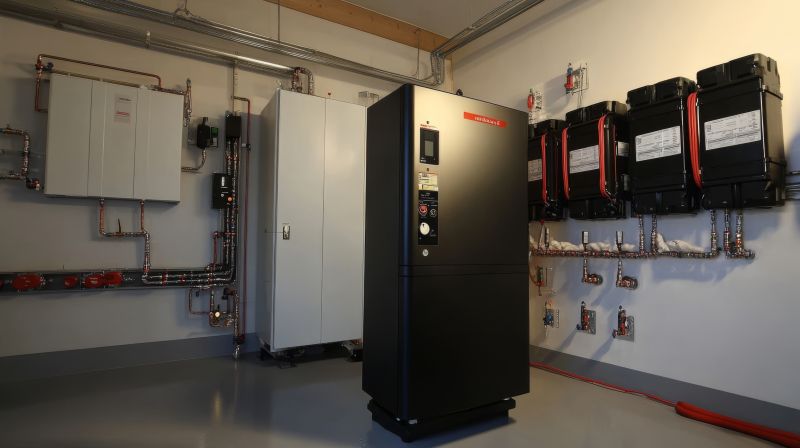
Tankless water heaters are valued for providing on-demand hot water, but there are times when they may stop producing it altogether. Common everyday reasons for this include mineral buildup inside the unit, which can clog the system and hinder proper operation, or a faulty sensor that causes the heater to shut down as a safety measure. Additionally, issues such as fluctuating water pressure or a malfunctioning thermostat can disrupt the flow of hot water, leaving property owners puzzled about the cause.
When these problems occur, property owners in the area often look into tankless water heater repair services offered by local contractors. Skilled service providers can diagnose the specific issue-whether it’s a mineral deposit, electrical component failure, or another mechanical problem-and perform the necessary repairs. Connecting with experienced local pros ensures that the heater can be restored to proper function, helping maintain reliable hot water supply for everyday needs.
Why do tankless water heaters sometimes stop producing hot water? Tankless water heaters can stop producing hot water due to mineral buildup, thermostat issues, or a faulty heating element. Local contractors can diagnose and repair these problems to restore hot water supply.
What are common reasons a tankless water heater might suddenly stop working? Common reasons include sediment accumulation, flow sensor malfunctions, or electrical problems. Service providers can identify the cause and perform necessary repairs to fix the issue.
How can mineral deposits affect the performance of a tankless water heater? Mineral deposits can clog internal components, reducing efficiency or causing the unit to shut down. Local repair experts can flush out deposits and prevent future buildup.
What should be checked if a tankless water heater is not providing hot water consistently? It’s important to check for flow rate issues, thermostat settings, or error codes. Local pros can troubleshoot these problems and recommend appropriate repairs.
When a tankless water heater stops producing hot water, what repairs might be needed? Repairs may include replacing heating elements, cleaning mineral buildup, or fixing electrical connections. Skilled service providers can handle these repairs efficiently.
Mineral buildup issues - mineral deposits can clog the system, reducing hot water flow, and local contractors can perform flushing or descaling to resolve this.
Thermostat or sensor problems - faulty temperature controls may cause the heater to stop producing hot water, and service providers can diagnose and replace these components.
Flow rate restrictions - low water pressure or closed valves can limit hot water output, with local pros able to inspect and adjust plumbing setups.
Electrical or control system faults - wiring issues or control board failures can interrupt operation, and experienced contractors can troubleshoot and repair these electrical components.
If you are thinking about why tankless water heaters sometimes stop producing hot water for a property, this guide is meant to help you understand this topic, the typical project types, and how different options might fit your plans.
When you are ready, you can use the quote form on this page to share a few details about your project. From there, local pros can review the basics and follow up with options that match what you have in mind.